
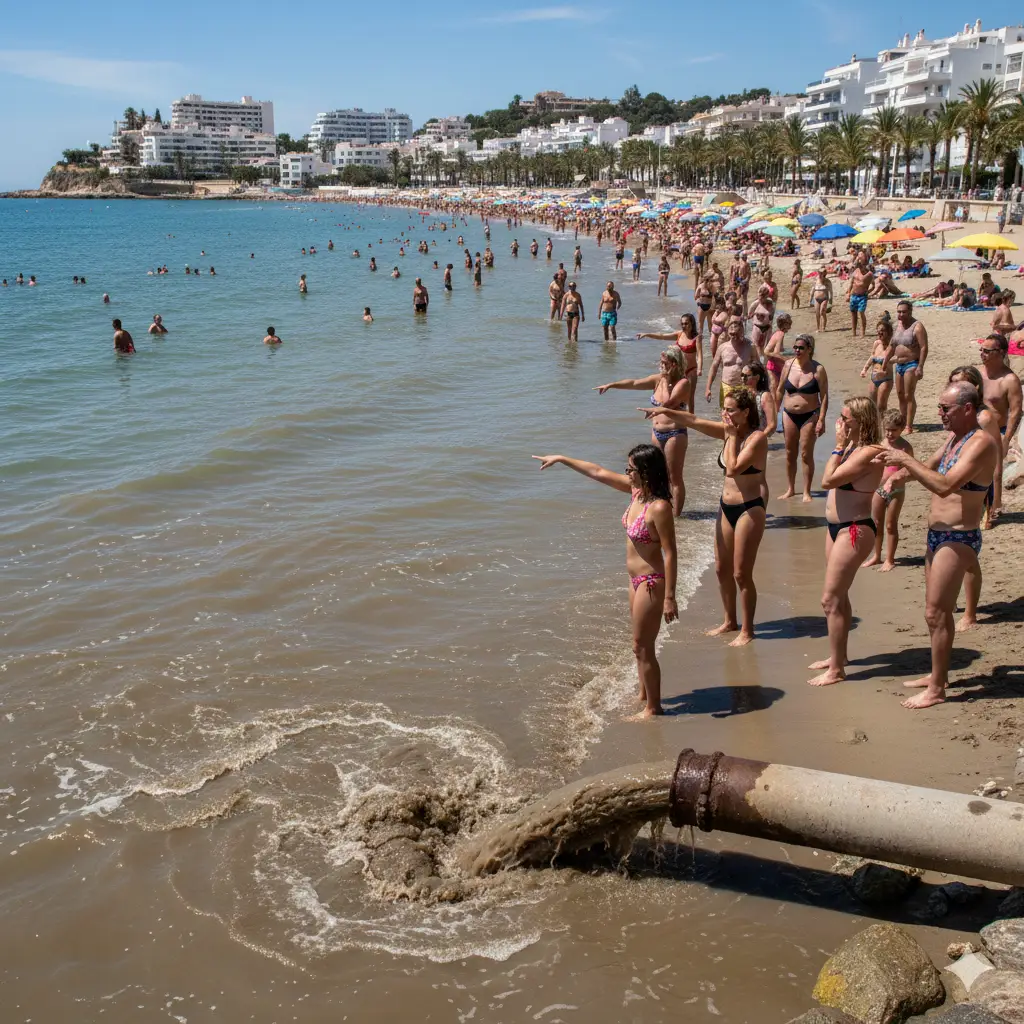
Beachgoers in Benalmádena faced a shocking sight in August 2025. The clear Mediterranean Sea near the popular La Carihuela beach suddenly turned brown. Many people worried about pollution or danger. This event, where benalmadena beachgoers alarmed as broken water pipe turns sea brown, started early on Sunday morning, August 18. A broken freshwater pipe released water mixed with soil into the sea. Authorities acted fast to fix it and test the water. Experts confirmed it was safe—no harmful substances entered the sea. This guide explains what happened, why it looked scary, and why you can feel safe visiting the beaches now.
Benalmádena sits on the beautiful Costa del Sol in Spain. It draws millions of tourists each year with its golden sands, warm weather, and lively promenade. Places like La Carihuela offer fresh seafood, sun loungers, and calm waters for swimming. Events like this can cause worry, but quick responses help keep the area a top spot for holidays.
What Happened: Timeline of the Incident
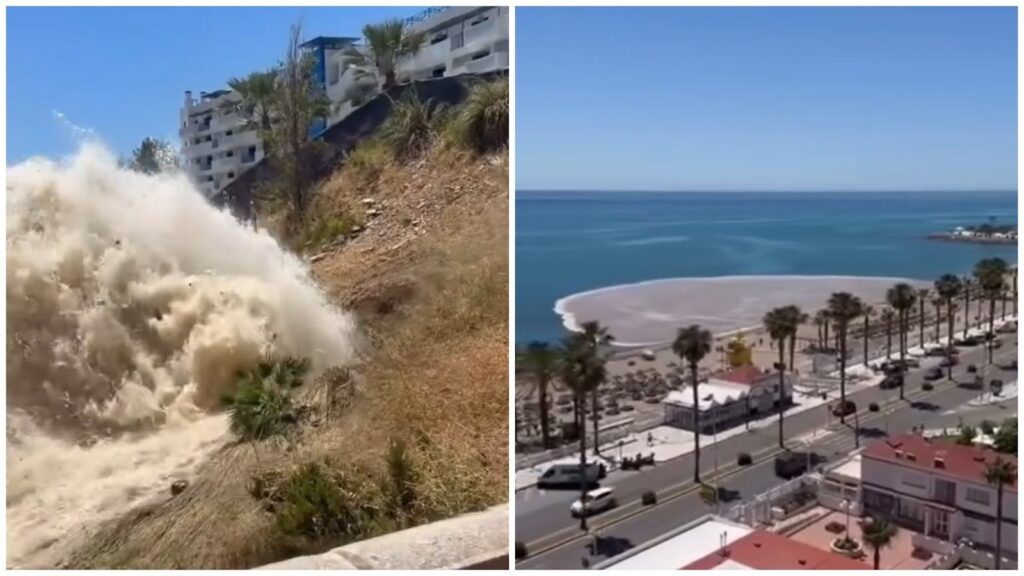
The problem began around 7:30 AM on August 18, 2025. Visitors walking along the promenade saw the sea change color. Brown water spread over a 400-meter stretch near La Carihuela. Some thought it was sewage or an oil spill. Social media posts quickly shared photos and videos.
Here is a simple timeline:
- 7:30 AM, August 18: First reports of brown sea water reach the tourism office.
- 8:15 AM: Water authority EMASA confirms a benalmadena burst water pipe caused the issue.
- 9:45 AM: Officials close a 300-meter beach section as a precaution.
- 11:20 AM: Tests show no dangerous chemicals in the water.
- 2:45 PM: Workers find the broken 450mm pipe near the promenade.
- 7:10 PM: Repairs finish, and the brown color starts to fade.
- August 19, morning: Partial reopening after more tests.
- August 19, afternoon: Full reopening with green flags.
- August 20: Sea looks normal again, with no leftover effects.
The whole event lasted about 28 hours. Natural waves helped clear the sediment fast.
Similar issues happened before on the costa del sol pipe network. For example, in May 2025, an older pipe burst near hotels, causing brown water and yellow flags. Authorities handled those quickly too, with no health problems.
Why Did the Sea Turn Brown?
The cause was simple and not dangerous. A high-pressure freshwater main broke. This pipe, installed in 2010, carried clean drinking water. When it ruptured, water rushed out and picked up dirt, clay, and iron from the soil. This mix flowed into the sea, making it look brown.
Experts explain:
- The brown color came from natural sediment, like mud stirred up after rain.
- It was not sewage, oil, or chemicals.
- Turbidity (cloudiness) went up temporarily but stayed below harmful levels.
Dr. Elena Martínez from the regional water team said, “The turbidity levels, while visually striking, never approached thresholds that would affect marine organisms.”
No fish or wildlife suffered harm. The Mediterranean handles natural sediment well.
In contrast, real pollution would show bacteria or toxins in tests. Here, all tests came back clean: low bacteria, normal pH, and no heavy metals.
Official Response and Safety Checks
Local teams worked together to fix the problem fast. EMASA repaired the pipe in under 12 hours—better than average.
The Junta de Andalucía ran water quality tests right away. Results showed:
- Turbidity: 6-9 NTU (safe under 25 NTU)
- pH: 8.0-8.2 (normal for sea water)
- Dissolved oxygen: Above safe levels
- Bacteria: Very low, safe for swimming
They raised yellow flags during the event to warn people. This means “swim with caution.” Once clear, green flags went up for “safe to swim.”
Benalmádena City Council shared updates on social media in several languages. This helped calm worries from international visitors.
For more details on the August event, read this report fromNews Anyway1.
A similar May incident got coverage inThe Mirror, showing how authorities raised flags and reassured everyone2.
Impact on Tourists and Local Businesses
The brown water alarmed many people. Social media saw over 1,200 posts on August 18, with worries about safety and ruined holidays. But sentiment improved fast as news spread that it was safe.
A small beach area closed for the day. This affected some restaurants and water sports. Estimated loss was around €105,000, but businesses recovered quickly.
Hotels stayed busy. No one canceled trips long-term. Benalmádena welcomes millions yearly, and events like this are rare.
Antonio Ruiz from the Tourism Board noted, “Transparency from local authorities helped contain what could have been a much more damaging incident.”
Benalmádena Beaches: What to Expect Now
As of late 2025, all beaches in Benalmádena are open and safe. The sea is clear blue again. Recent benalmadena news shows ongoing work to update pipes, reducing future risks.
The town invests in better infrastructure:
- Replacing old pipes faster.
- Adding real-time water monitors.
- Training staff for quick responses.
No benalmadena floods 2025 or major issues happened recently beyond pipe fixes.
Tips for Safe Beach Visits in Spain
Spain has clear beach rules to keep everyone safe. Spain has strict beach rules with fines check local laws before visiting. Follow these to avoid problems:
- Watch the flags:
- Green: Safe to swim.
- Yellow: Caution, weak swimmers stay out.
- Red: No swimming.
- No glass bottles on sand (fines up to €300).
- Respect quiet hours—no loud music late.
- Clean up trash.
- No smoking on many beaches now.
In Benalmádena:
- Check council apps or boards for updates.
- Ask lifeguards if unsure.
- Report odd sights to officials.
These steps make your trip fun and worry-free.
Understanding Beach Flags in Spain
Flags help everyone stay safe. Here is what they mean:
- Green flag: All good—swim freely.
- Yellow flag: Be careful—waves or currents may be strong.
- Red flag: Danger—stay out of water.
During the pipe event, yellow flags went up briefly. This was extra careful, even though the water was safe.
No benalmadena floods yesterday or today affect beaches.
Why These Incidents Happen and Prevention
Old pipes under pressure can break. Coastal areas face extra wear from salt and soil shifts.
Benalmádena speeds up fixes:
- €12.7 million project to replace 8.5 km of pipes by end of 2025.
- Reduced breaks by 40% since 2020.
This shows commitment to safety.
Visitor Stories and Reassurance
Many tourists shared photos online. One said, “It looked bad at first, but officials explained quickly. We swam the next day—no issues.”
Families and couples keep coming back. The promenade stays lively with chiringuitos (beach bars) serving espeto (grilled sardines).
No links to unrelated events like a british tourist attacked in spain—this was just infrastructure.
Staying Informed During Your Benalmádena Trip
Plan ahead for peace of mind.
Follow these steps:
- Download the Benalmádena Tourism app for alerts.
- Check beach info boards daily.
- Follow council social media.
- Use the EMASA site for water updates.
- Talk to hotel staff—they know the latest news.
This keeps you updated on any rare events.
FAQs About the Benalmadena Sea Discoloration Incident
What exactly happened in the “benalmadena beachgoers alarmed as broken water pipe turns sea brown” incident?
A freshwater drinking water pipe burst, releasing clean water that mixed with soil and sediment. This flowed into the sea near La Carihuela beach, turning the water brown over a limited area. The main event occurred on August 18, 2025, with repairs completed quickly.
When did the incident occur?
The primary incident tied to this phrase happened on August 18, 2025, starting around 7:30 AM. A similar benalmadena burst water pipe event took place in May 2025 near hotels like Los Patos Park.
Was the brown water dangerous or polluted?
No. Authorities and experts confirmed it was potable drinking water mixed with natural sediment (mud, clay, and iron from the ground). Tests showed no contaminants, bacteria, or health risks. It was not sewage or chemicals.
Why did the sea turn brown?
The high-pressure costa del sol pipe rupture stirred up dirt from the soil. This created turbidity (cloudiness), making the water look brown—just like mud after heavy rain.
Were beaches closed during the event?
Yes, temporarily. Yellow flags (caution) were raised, and a small section closed briefly as a precaution. Beaches fully reopened within days, with green flags signaling safe swimming.
Is it safe to visit Benalmádena beaches now?
Yes, completely safe. As of December 2025, the sea is clear, and no lingering effects remain from any 2025 incidents. Ongoing pipe upgrades reduce future risks.
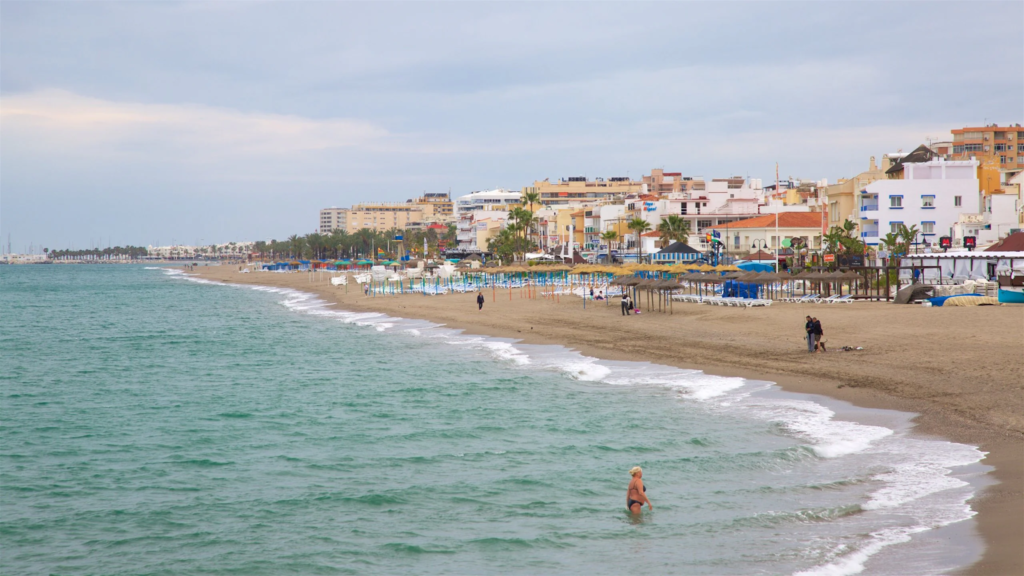
La Carihuela beach in normal conditions—crystal clear Mediterranean waters perfect for swimming and relaxing.
Have there been floods or similar issues recently in Benalmádena?
No major benalmadena floods 2025 or ongoing problems. Isolated pipe bursts occurred, but no widespread flooding affected beaches long-term.
What should I do if I see brown water on a Spanish beach?
Stay calm and check beach flags. Follow lifeguard advice. Remember spain has strict beach rules with fines check local laws before visiting—respect flags and report concerns to officials.
Conclusion
In conclusion, the incident where benalmadena beachgoers alarmed as broken water pipe turns sea brown was scary to see but harmless. Clean water and sediment caused the color change, not pollution. Quick fixes and clear info from officials got everything back to normal fast. Benalmádena remains a wonderful, safe place for beach holidays. Have you visited the Costa del Sol? What tips do you have for first-time visitors?
References
- News Anyway – Benalmadena Beachgoers Alarmed as Broken Water Pipe Turns Sea Brown – Detailed timeline, official quotes, and reassurance for tourists and beachgoers worried about safety. ↩︎
- The Mirror – Spain Holiday Resort Horror – Coverage of a similar pipe burst, highlighting quick flag changes and no health risks, aimed at holidaymakers planning trips. ↩︎