
Innovations That Led To The Green Revolutionchanged how we grow food in big ways. These new ideas came in the 1960s and 1970s to help feed more people. They started in places like Mexico and spread to Asia and other spots. Key changes were better seeds that grow more food, new ways to water plants, and chemicals to kill bugs and make soil rich. A man named Norman Borlaug led much of this work and won a big prize for it. These ideas helped countries like India and Pakistan make enough food for their people. Without them, many might have gone hungry. Today, we still use these ideas but try to make them better for the earth.
What Was the Green Revolution
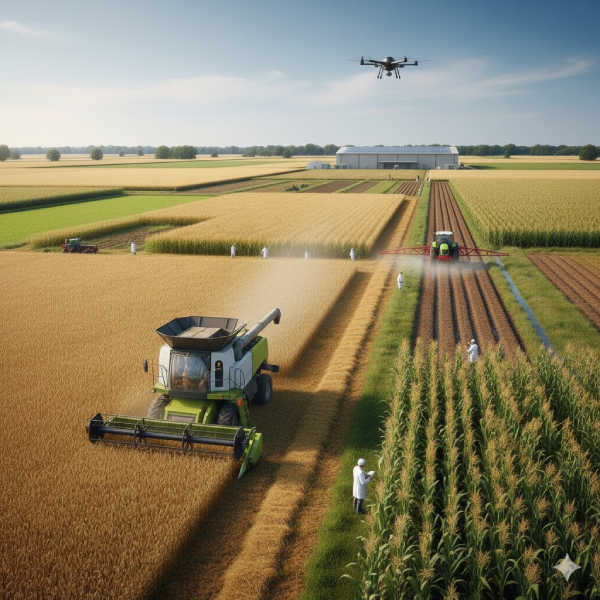
The Green Revolution was a time when farming got much better with new science. It began after World War II when the world needed more food fast. People worried about big hunger because more babies were born. So experts made new ways to grow crops like wheat and rice. These changes happened first in Mexico with help from groups like the Rockefeller Foundation. Then they went to India, Pakistan, and other places in Asia. The main goal was to make more food on the same land. This helped stop famines and let countries feed themselves. Now, it is seen as a big win in history but with some problems like harm to soil and water. Many see it as the start of modern farming. The revolution used science to fix old farming issues. It showed how smart ideas can save lives.
Norman Borlaug and His Role in Innovations
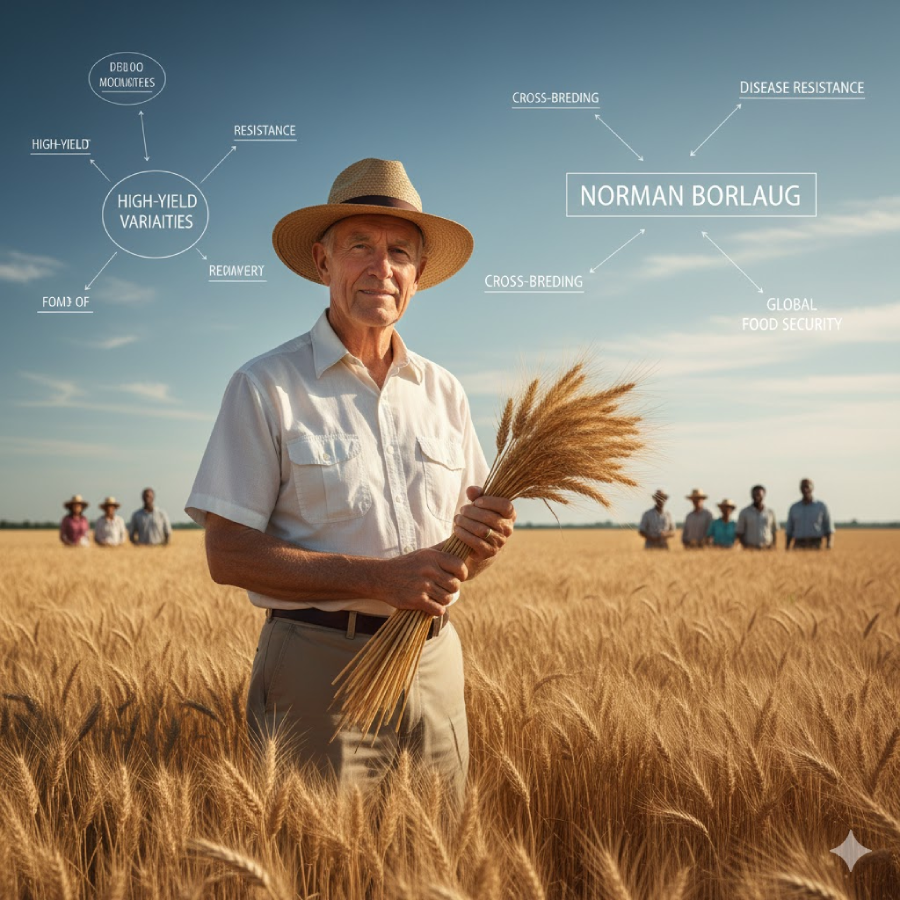
Norman Borlaug was a key man in the innovations that led to the green revolution. He was a plant expert from the US who worked in Mexico in the 1940s. Borlaug made new types of wheat that grow short and strong. These plants do not fall over when they have big heads of grain. He crossed different plants to make them fight diseases better. His work helped Mexico grow enough wheat by 1963 without buying from others. For this, he got the Nobel Peace Prize in 1970. Borlaug then took his ideas to India and Pakistan during bad hunger times. His seeds helped those lands double their food in a few years. He taught that science can beat hunger. Today, people call him the father of the Green Revolution. His story shows how one person can change the world with smart farming.
High-Yielding Variety Seeds as a Core Innovation
High-yielding variety seeds (HYV) were a big part of the Green Revolution innovations. These seeds grow more food than old ones. They work best with lots of water and fertilizer. For wheat, short plants with big grains were made. Rice has new types too that grow fast and fight bugs. In India, these seeds raised wheat from 12 million tons to 20 million tons in five years. Pakistan saw wheat jump from 4 million to 8 million tons. The seeds let farmers plant two or three times a year. But they need good care to work well. Scientists like Borlaug crossed plants from different lands to make them strong. These technological innovations of the Green Revolution changed poor farms into rich ones. Many lives were saved from no food. Now, these seeds are used all over but we add new genes for better results.
The Use of Chemical Fertilizers in Farming
Chemical fertilizers played a huge role in the agricultural innovations of the Green Revolution. These are man-made foods for plants like nitrogen and phosphorus. They make soil rich so plants grow big and fast. Before, farmers used animal waste but it was not enough. With new fertilizers, crop yields went up many times. World use grew from 14 million tons in 1950 to 140 million tons by 1990. In Asia, this helped the rice and wheat boom. But too much can hurt rivers and soil. Still, it was key to feed more people. Factories made them cheap after the war. Farmers learned to use them with new seeds. This mix made the revolution work. Today, we try smarter ways to use less and save the earth.
Advances in Irrigation Systems
Irrigation system advancements helped water plants better during the Green Revolution. Old ways wasted water but new ones like drip lines send water right to roots. This saves water and stops salt build up in soil. In dry places like India, new canals and pumps brought water far. Center pivot systems spin to wet big fields even. These changes let farmers grow in winter too. Water use got smarter with less loss. In Mexico, better water raised wheat high. But some places used too much ground water. Now, we add tech like sensors for exact water needs. This was vital for high yields. Without good water, new seeds fail.
Pesticides and Insecticides for Crop Protection
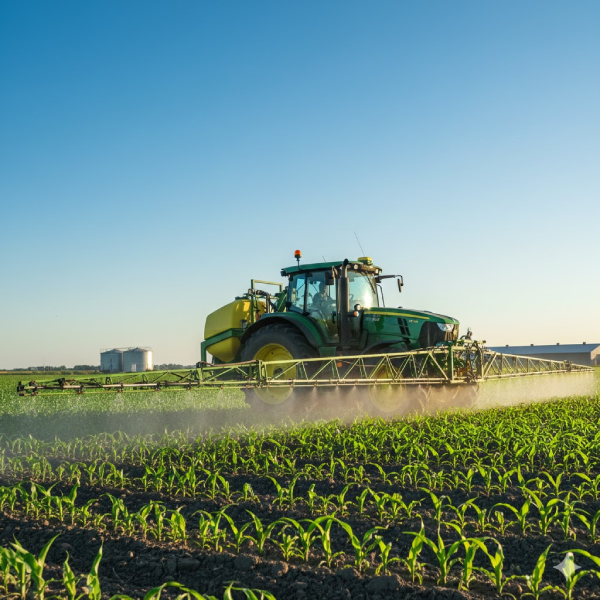
Pesticides and insecticides kept bugs away in the Green Revolution agricultural technology. These chemicals kill pests that eat crops. Before, bugs ruined half the food. New sprays like DDT at first helped save grains. They act as guards for plants. Farmers used them with fertilizers for best growth. This raised the food quality too. But later, we saw harm to birds and water. Now, safer ones are made. In the revolution, they were key to big harvests. India used them to fight rice pests. This saved millions of tons. Science made them from war tech. Today, we mix with natural ways for less harm.
Agricultural Mechanization and Tools
Agricultural mechanization brought machines to farms in the Green Revolution. Tractors plow fast and deep. Harvesters cut crops quickly without waste. Sowing machines plant seeds even. This saved time and work for farmers. In big lands like Asia, it lets few people farm more. Mexico used machines with new seeds for four times more wheat. But small farms found them costly. Help from governments made them cheap. This changed hand work to machine work. Now, robots add more help. Machines were a big step in modern farming. They made food cheaper for all.
Scientific Research and Plant Breeding
Plant breeding and genetics were at the heart of scientific innovations in agriculture. Experts mixed plant genes to make strong ones. They picked best traits like short stems and disease fight. Labs in Mexico and India grew thousands of plants to test. This made semi-dwarf wheat and rice varieties. Wheat from Japan crossed with US types. Rice from China helped too. Research groups like CIMMYT shared seeds world wide. This work took years but paid off big. It showed how science beats nature limits. Today, gene edit adds speed. But back then, it was hand work. This built food security for billions.
Impact on Food Security and Crop Yields
Crop yield improvement techniques from the revolution made more food safe. Yields doubled or tripled in many places. India went from hunger to extra food by 1974. This stopped big famines. More calories for people cut poverty by half in Asia. Wheat in Mexico rose four times by 1970. But Africa got less help due to bad roads and weather. Still, it fed a growing world. Now, we face new issues like warm weather. But these ideas set the base. They show innovation wins over hunger.
Challenges and Long-Term Effects
The revolution had good and bad sides. It used lots of water and chemicals that hurt the earth. The soil got tired and the water was dirty. Rich farmers got more help than poor. Some lost jobs to machines. In India, it led to more debt for small farms. But it saved lives from no food. Now, we fix with green ways like no till soil. This makes a new revolution. Lessons help for the future.
Modern Links to Green Revolution Innovations
Today, modern agriculture innovations build on old ones. We use tech like GPS for exact fertilizer. Gene tools make seeds for dry lands. Drones check fields. This ties to old ideas but adds care for earth. In South Asia, new ways to fight climate change. Groups like CIMMYT lead this. It keeps food coming for more people. Old seeds get updates for bugs. This shows the revolution lives on.
FAQ on Innovations That Led to the Green Revolution
What are the major technological innovations of the green revolution?
Major technological innovations of the green revolution include better seeds, fertilizers, and water ways. Seeds grow more food fast. Fertilizers feed plants strongly. Water systems save drops. Machines help work quickly. Pesticides kill bad bugs. Research made all this. It changed farms forever.
What role did high-yielding varieties play in the green revolution?
High-yielding varieties grew lots of grain on short plants. They fight diseases and use fertilizer well. In India, they doubled food quickly. Borlaug made them first. They let multi crops a year. This fed hungry lands. Now, they are the base for new ones.
How did irrigation technology support the green revolution?
Irrigation gave water when needed. Drip lines save water to roots. Canals bring far water. This let dry lands grow. In Asia, rice is high. But overuse hurts ground water. Now, smart tech fixes that.
What are green revolution innovations and their impact?
Green revolution innovations like seeds and chemicals boosted food. The impact was less hunger and more wealth. But some hurt the earth. In Mexico, wheat boomed. Asia cut poverty. Lessons help now. It saved billions.
What innovations led to the green revolution in India?
In India, seeds from Borlaug started it. Fertilizers and water came next. Machines helped big farms. The government gave help. This made food enough by the 1970s. It stopped big hunger. Now, it grows more.
Conclusion
Innovations That Led To The Green Revolutionlike new seeds, water ways, and chemicals changed the world. They made more food to feed growing people and stopped big hunger in places like Asia. Key men like Borlaug led with science. But we learned to care for earth too. Today, these ideas help make better farms. They show smart changes win. What do you think is the next big farm idea?
References:
- Innovation Leads South Asia’s New Green Revolution – Details on sustainable practices and policy for agricultural researchers and policy makers interested in climate-resilient farming.
- Technology of the Green Revolution – Educational overview of seeds, fertilizers, and irrigation for students and educators studying historical agricultural science.
- Green Revolution: The Beginning of Innovation in Agriculture – Insights on mechanization and breeding for agribusiness professionals linking past to modern innovations. These help academics, policy makers, and students in Tier 1 countries like the US and Tier 2 like India understand food systems and sustainability.